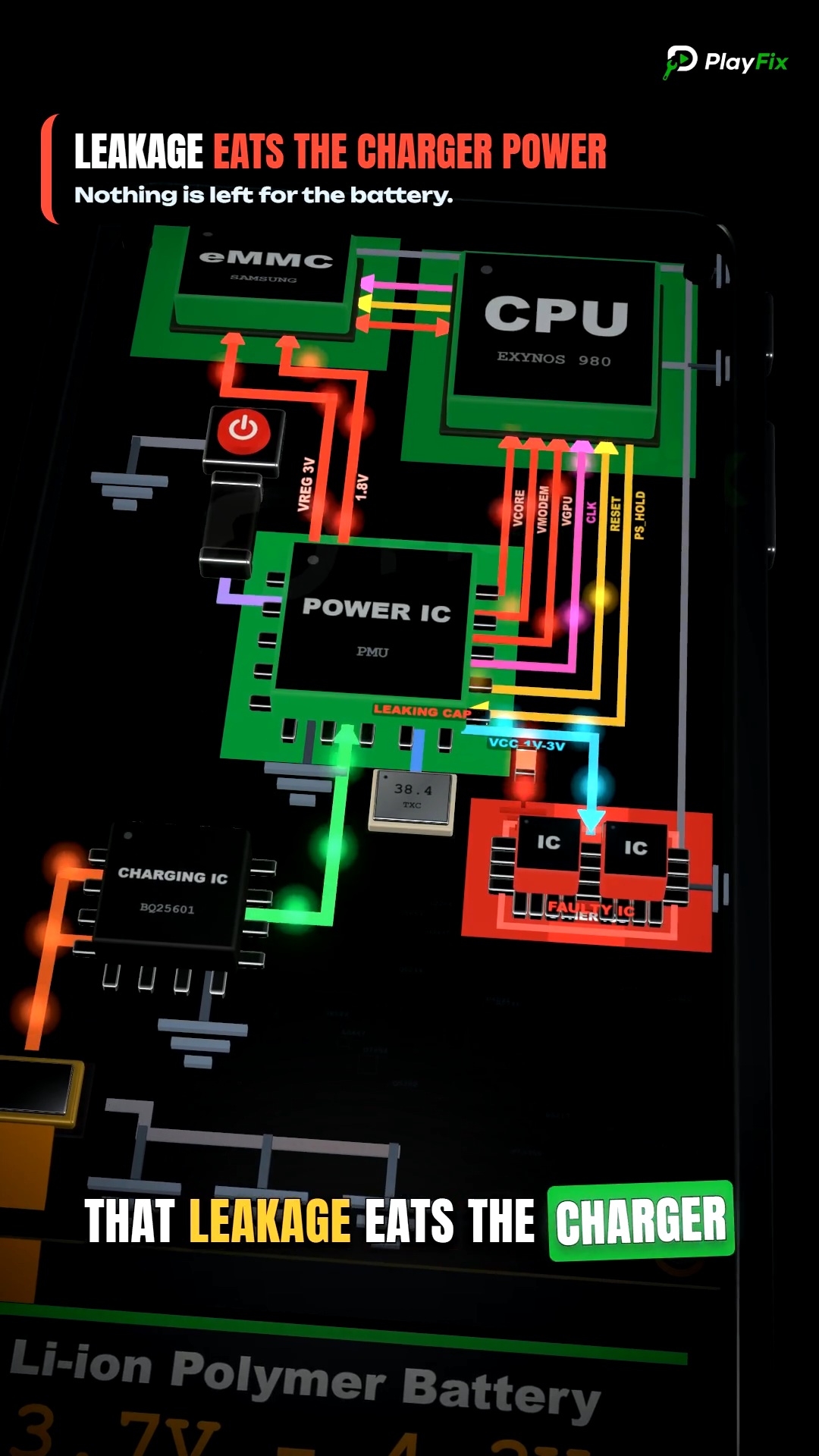
Learn Phone repair: Charging Port, OVP IC, Temperature Line & current Leakage Repair Tips
3:46 · Phone not charging repair
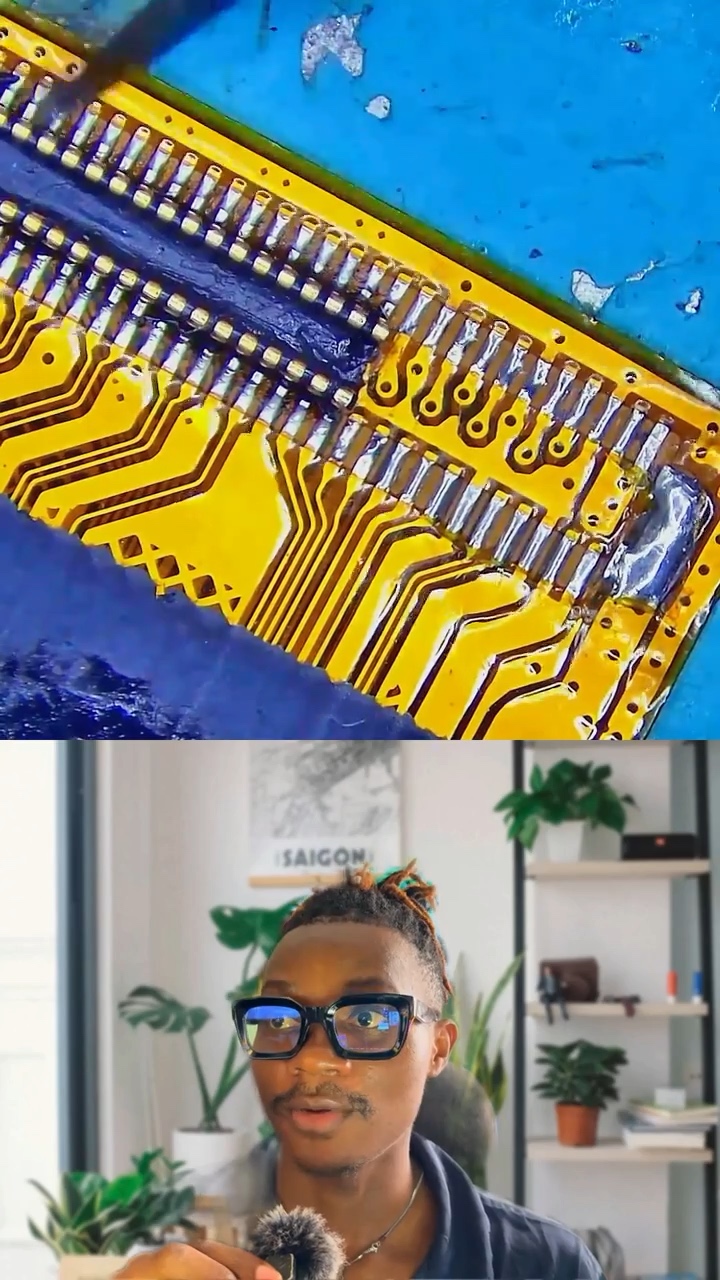
Micro-soldering covers the precise board work behind most chip-level phone repairs: removing shields, lifting and reballing BGA chips, repairing torn pads, running jumper wires and replacing connectors. Good flux, temperature control and magnification matter as much as the iron or hot-air station.
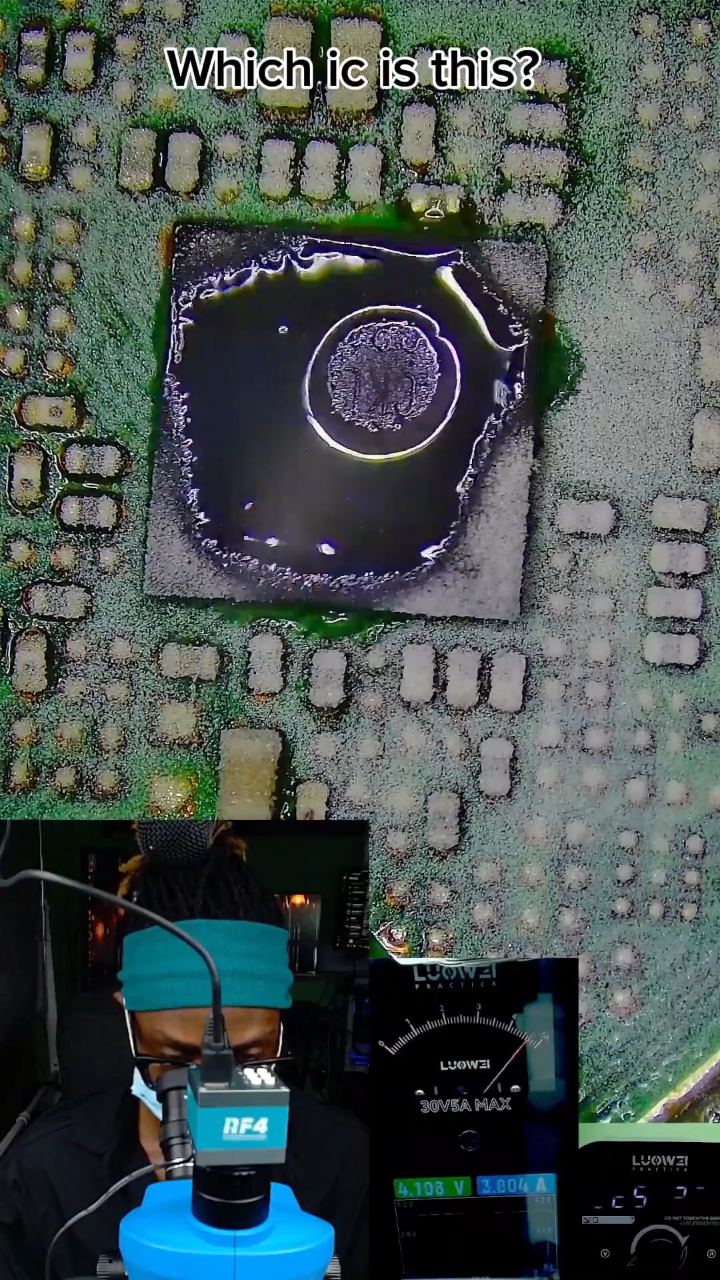
Most chip-level repairs depend on clean, controlled heat. Use quality flux, preheat larger boards, protect plastic parts and nearby chips, and let the solder melt fully before lifting a component so pads are not torn.
Reballing a CPU or power IC means cleaning the old solder from the chip and the board, applying new balls with a stencil, and refitting the chip with even heat. Torn pads can be rebuilt with a jumper wire to the next point on the same line, then sealed with UV solder mask.
Finish every job under the microscope: check for bridges, cold joints and missing parts before powering the board.
3:46 · Phone not charging repair
2:08 · Micro-soldering for phone repair

1:34 · Phone not charging repair
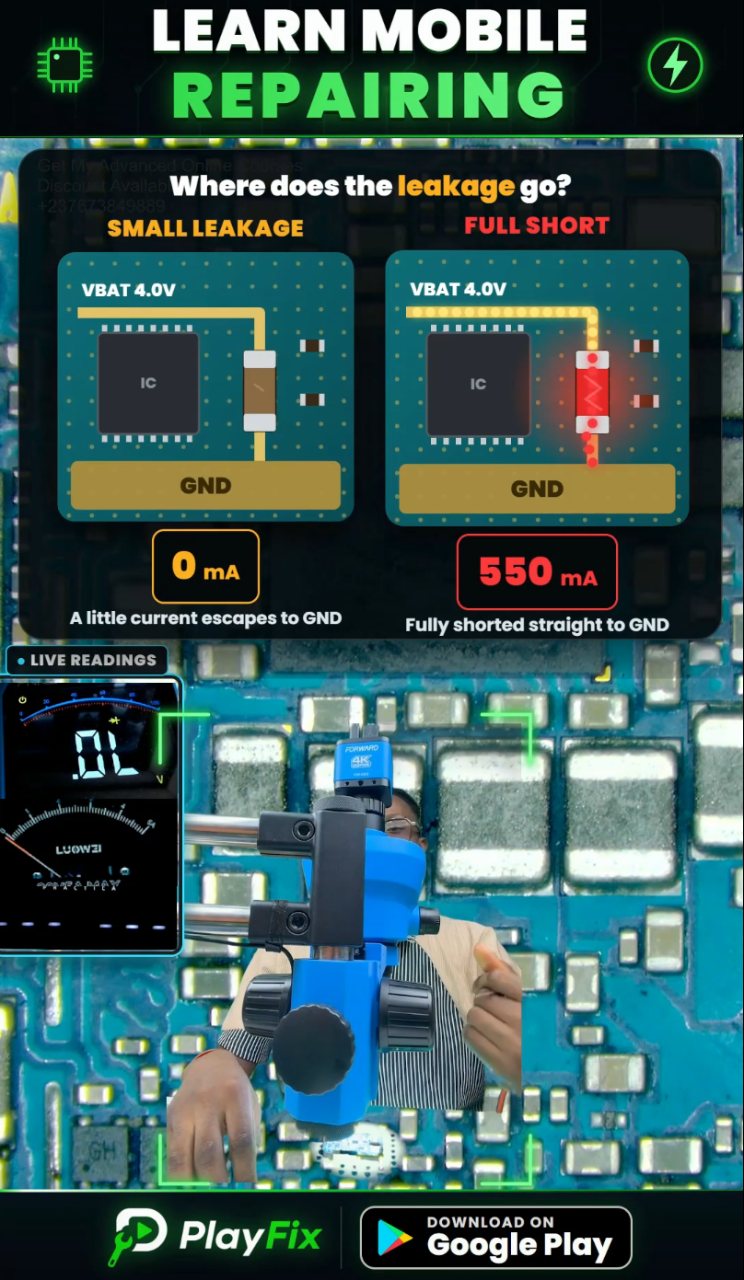
3:42 · Dead phone repair (no power, no boot)

1:35 · Micro-soldering for phone repair
0:27 · Micro-soldering for phone repair

0:57 · Micro-soldering for phone repair

1:33 · Micro-soldering for phone repair

4:41 · Micro-soldering for phone repair
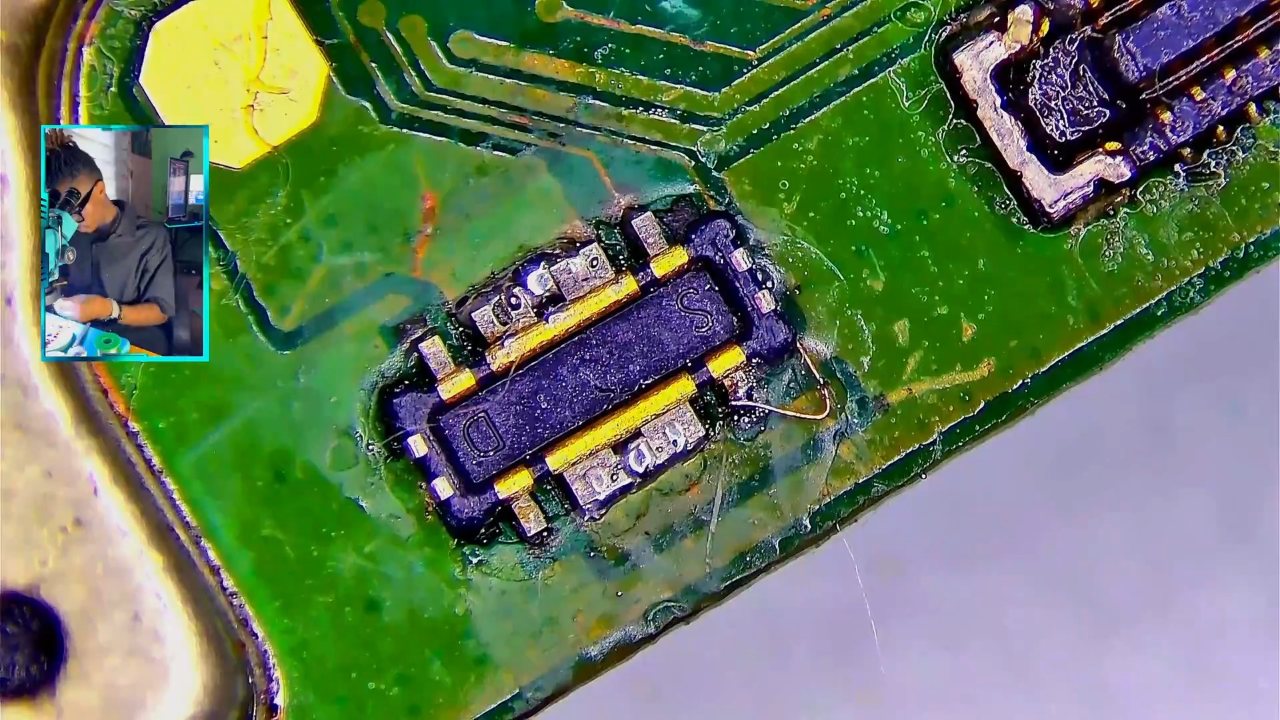
1:22 · Micro-soldering for phone repair
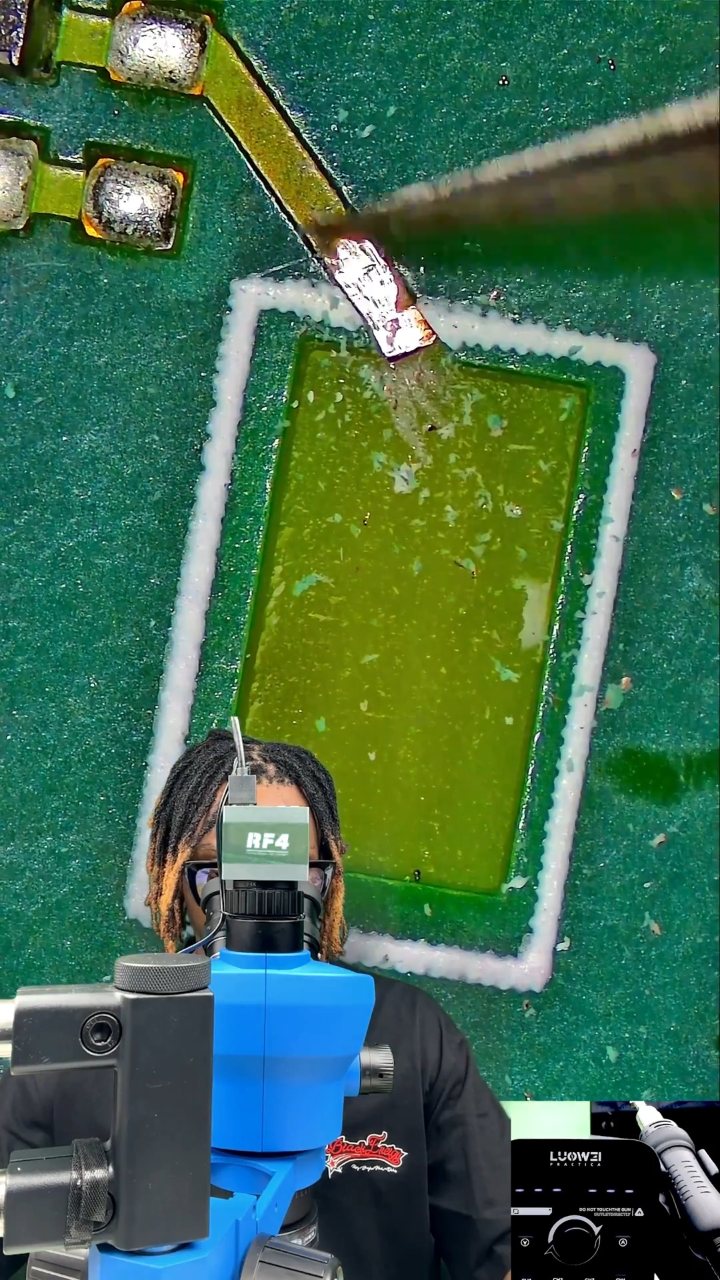
0:59 · Micro-soldering for phone repair
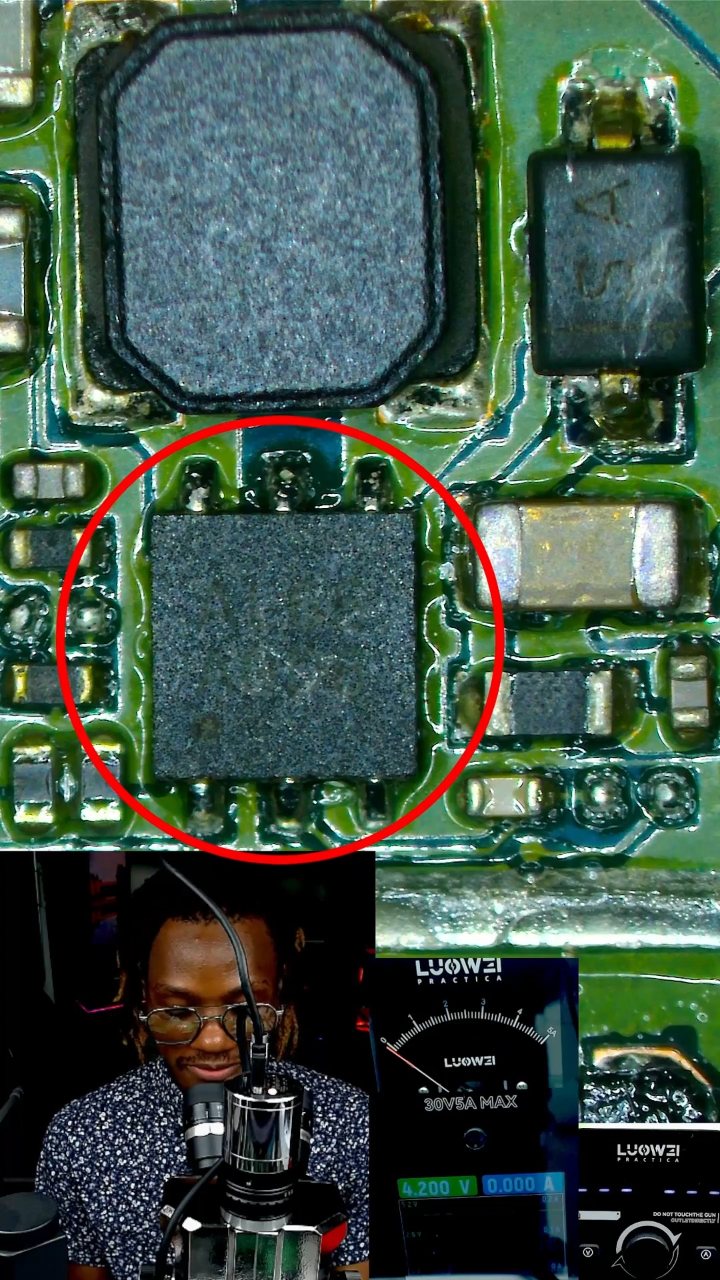
4:13 · No display and backlight repair

2:22 · Phone repair tools, microscopes and shop setup

6:44 · Water damaged phone repair
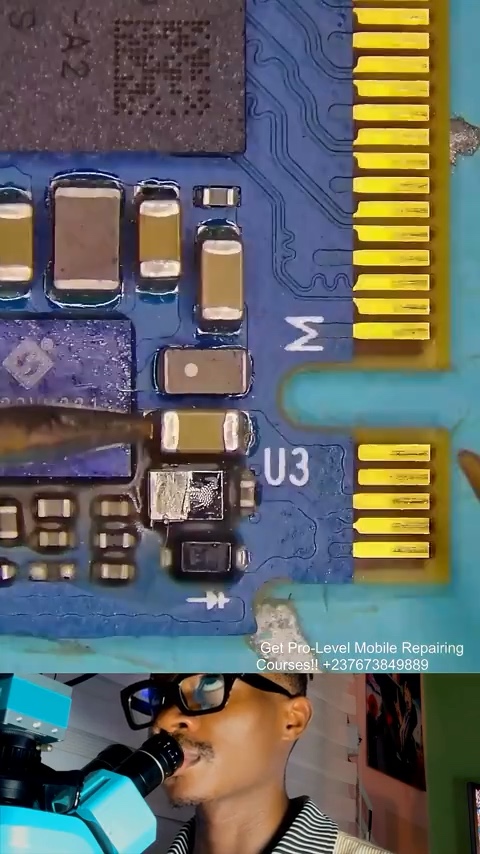
3:50 · Micro-soldering for phone repair
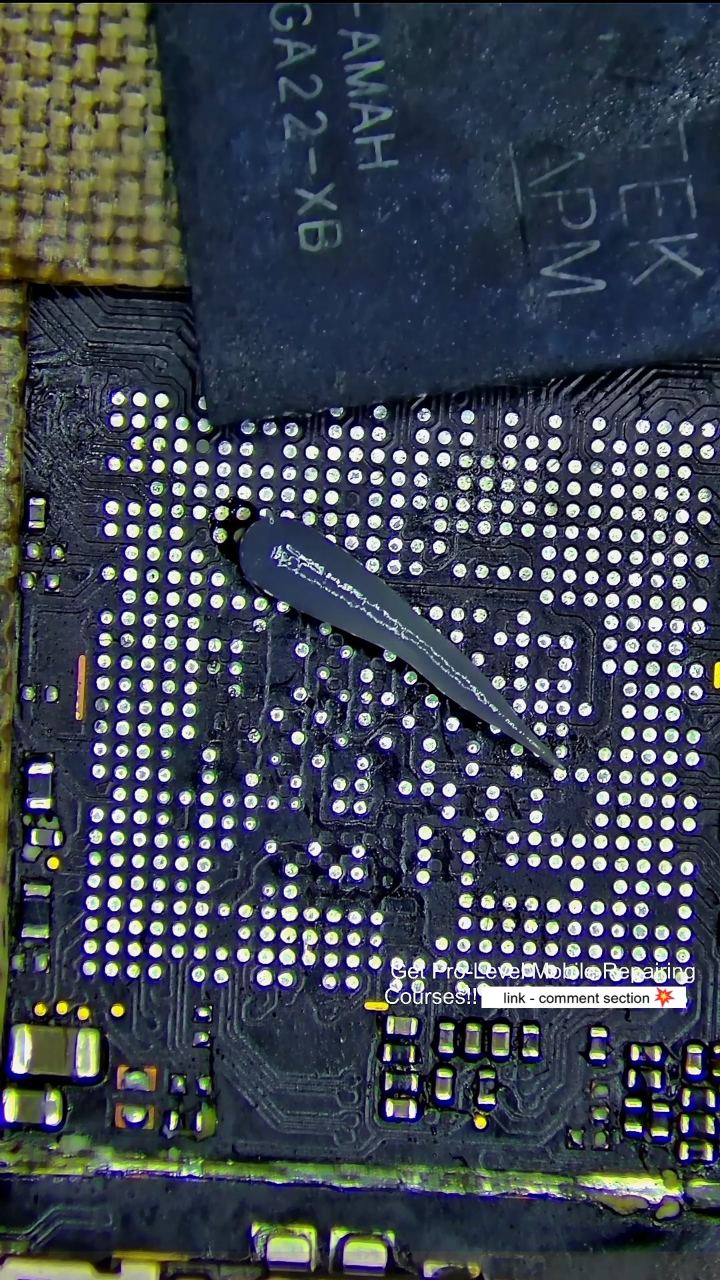
8:15 · Micro-soldering for phone repair
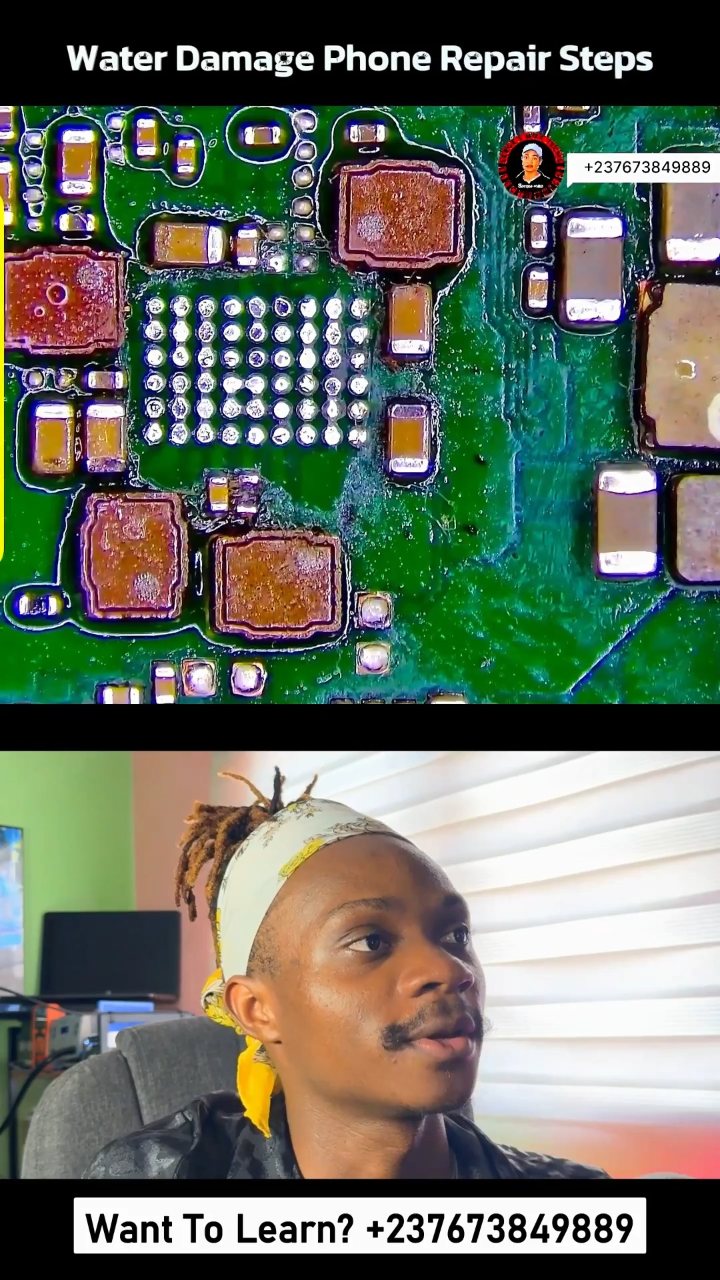
5:33 · Water damaged phone repair
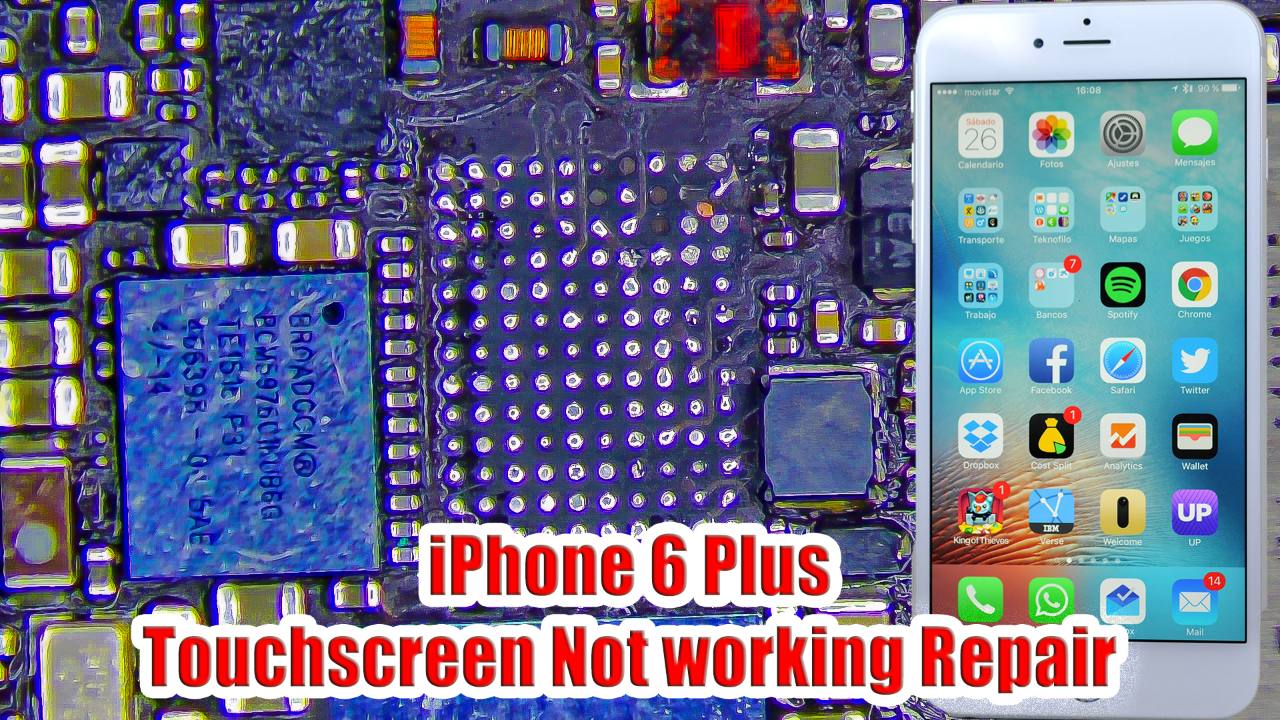
4:14 · No display and backlight repair

8:19 · No SIM card and network repair
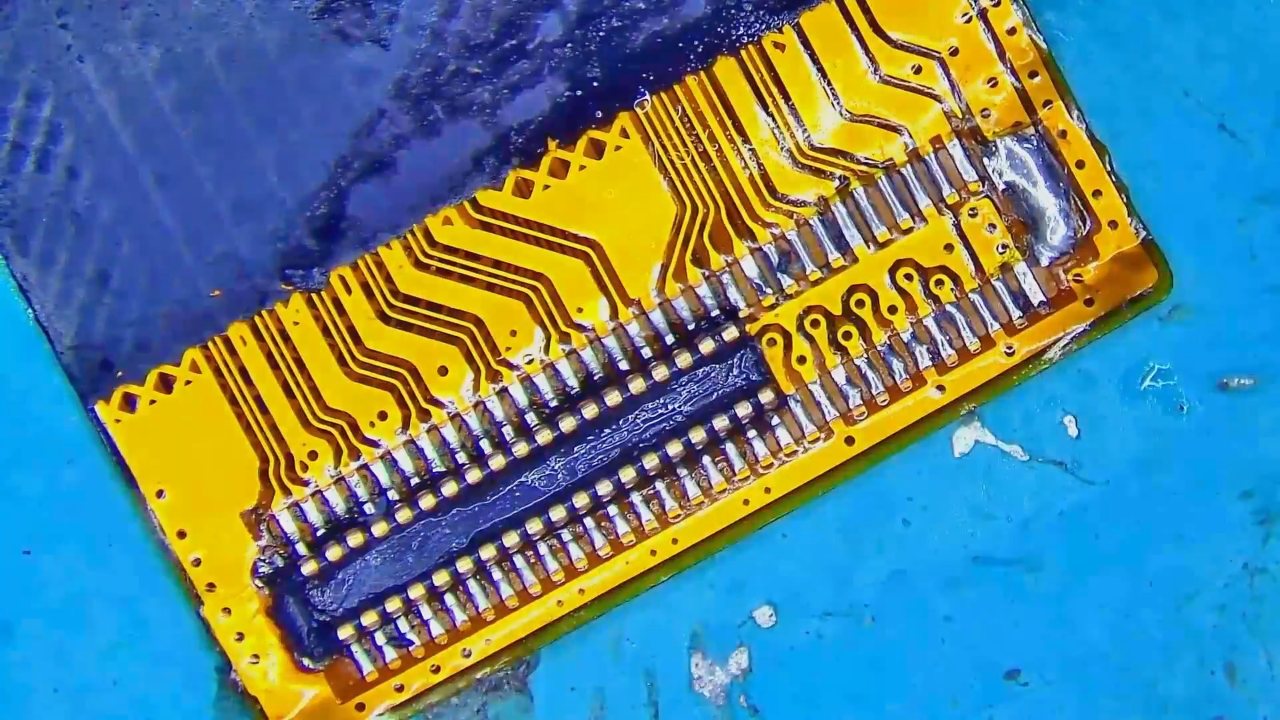
0:58 · Micro-soldering for phone repair

2:19 · Micro-soldering for phone repair
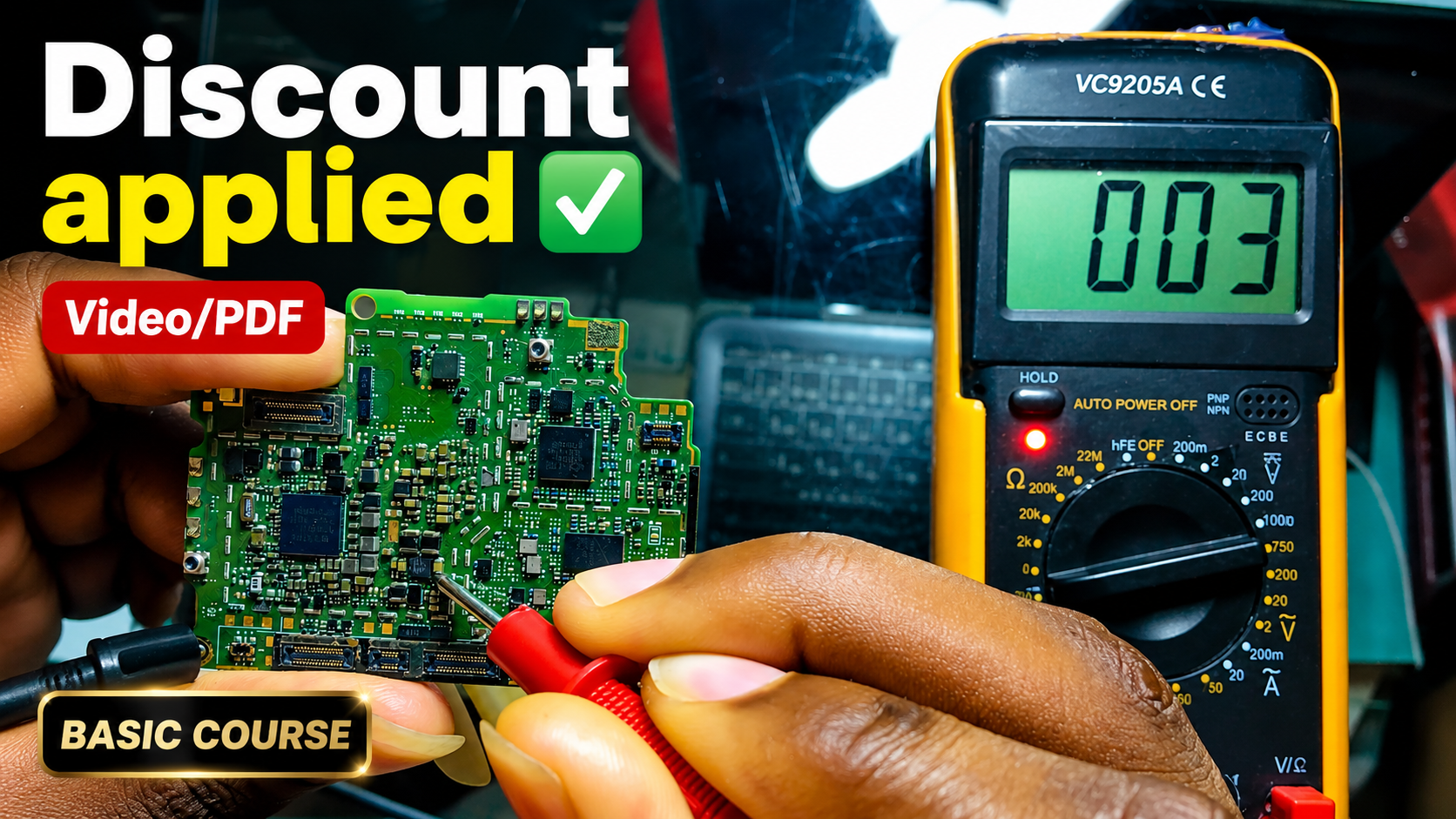
English repair videos with English and French PDF learning materials.

Advanced English video training for professional mobile repair work.
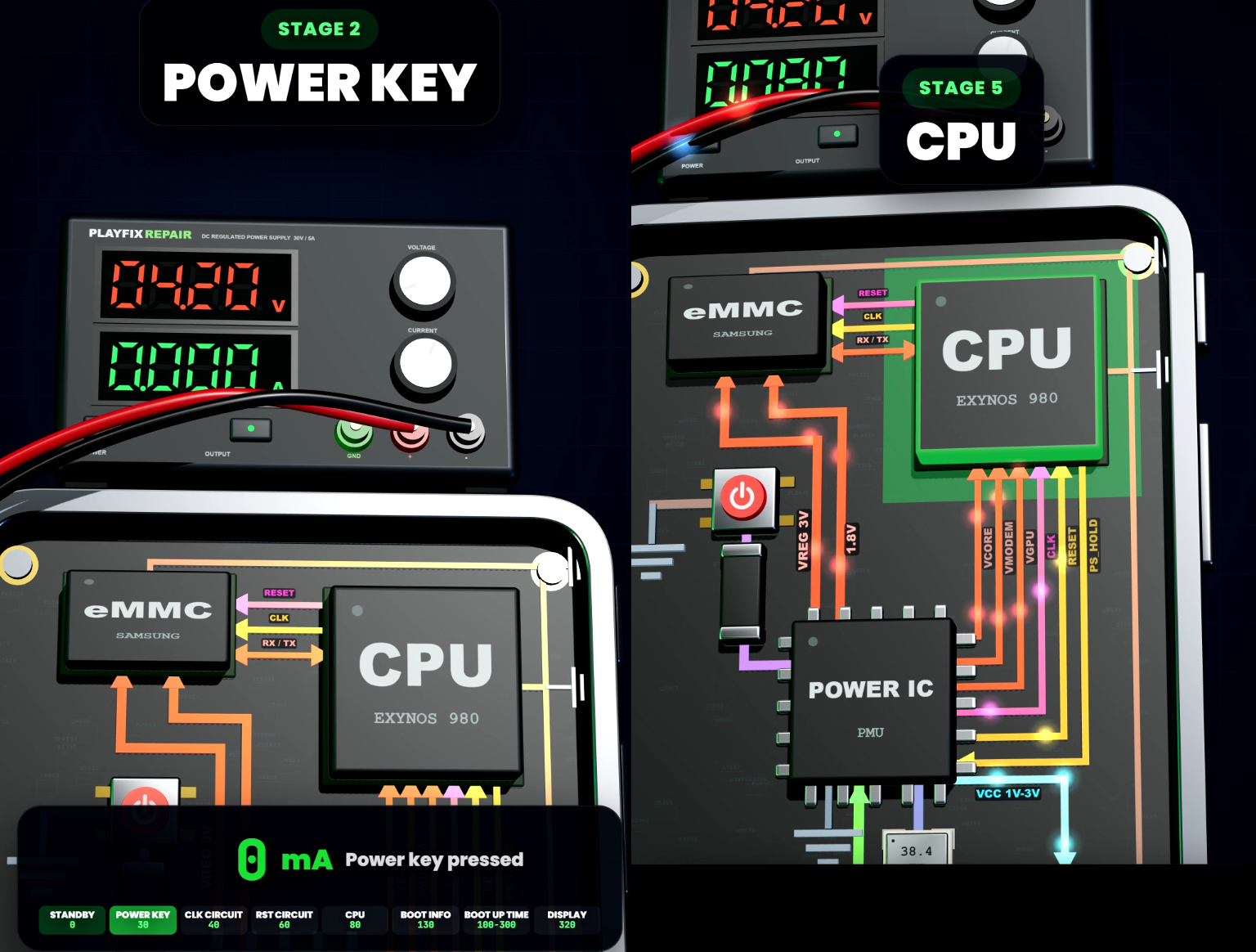
Learn how mobile-phone block diagrams connect ICs, power supplies, outputs and enable signals through clear 3D circuit animations.
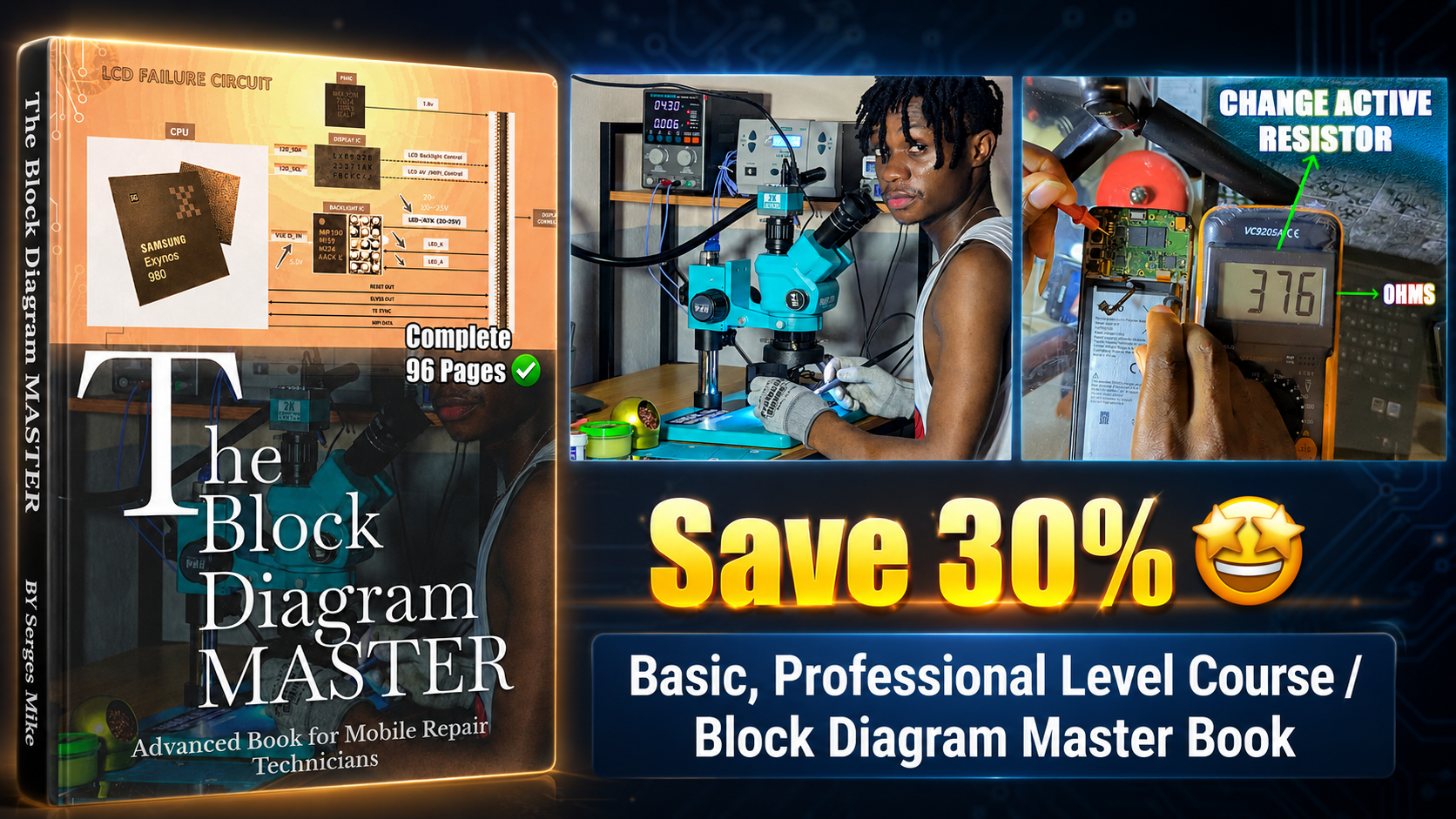
All PlayFix courses and the Block Diagram Master Book in one lifetime purchase.
Micro-soldering covers the precise board work behind most chip-level phone repairs: removing shields, lifting and reballing BGA chips, repairing torn pads, running jumper wires and replacing connectors. Good flux, temperature control and magnification matter as much as the iron or hot-air station.
Protect nearby parts before applying hot air. Use enough flux and controlled temperature. Clean pads before reballing or refitting an IC. Inspect joints under a microscope after the repair.