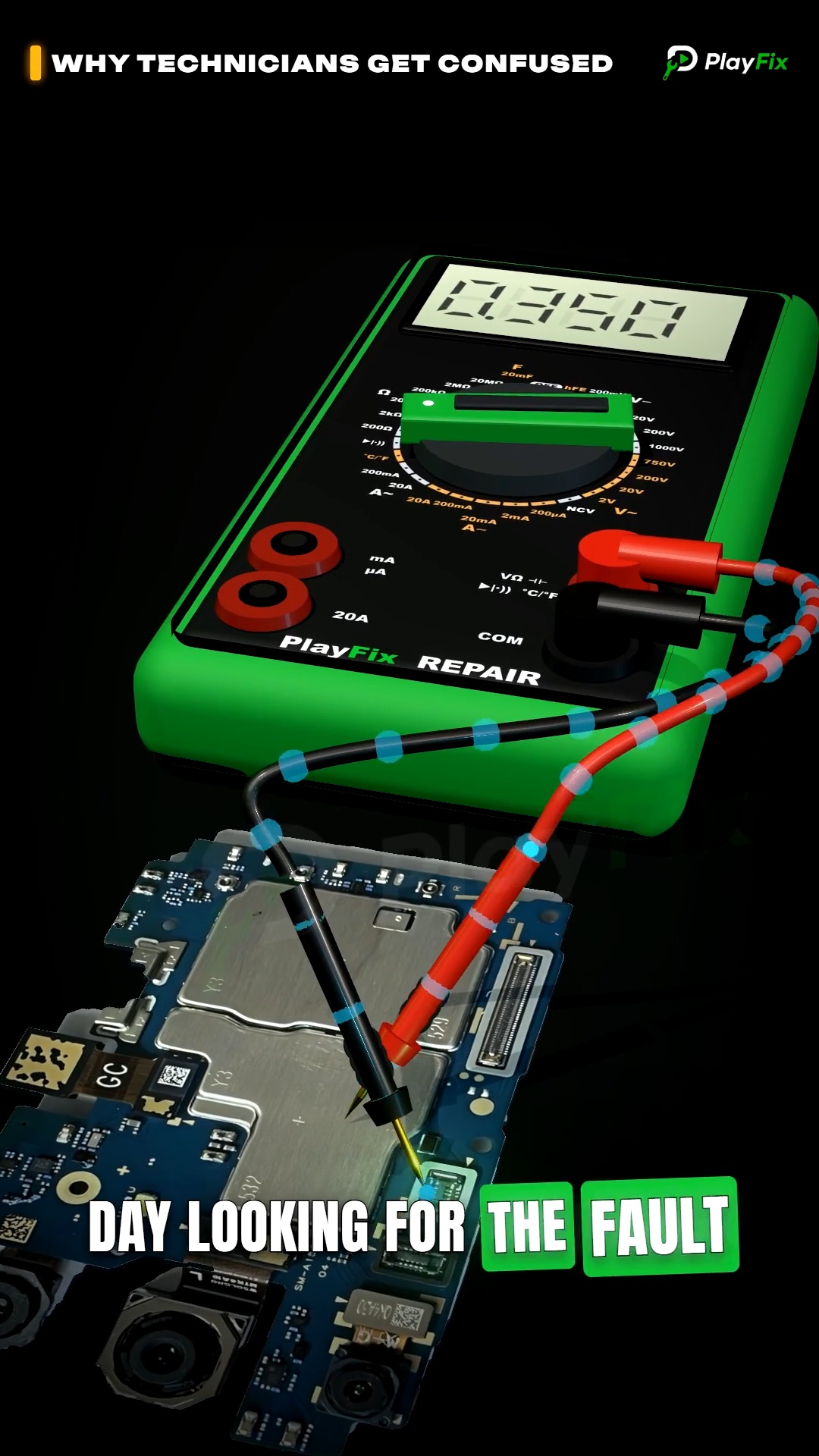
Master Phone Repair Multimeter Reading and PCB Testing
1:59 · Testing phone board components
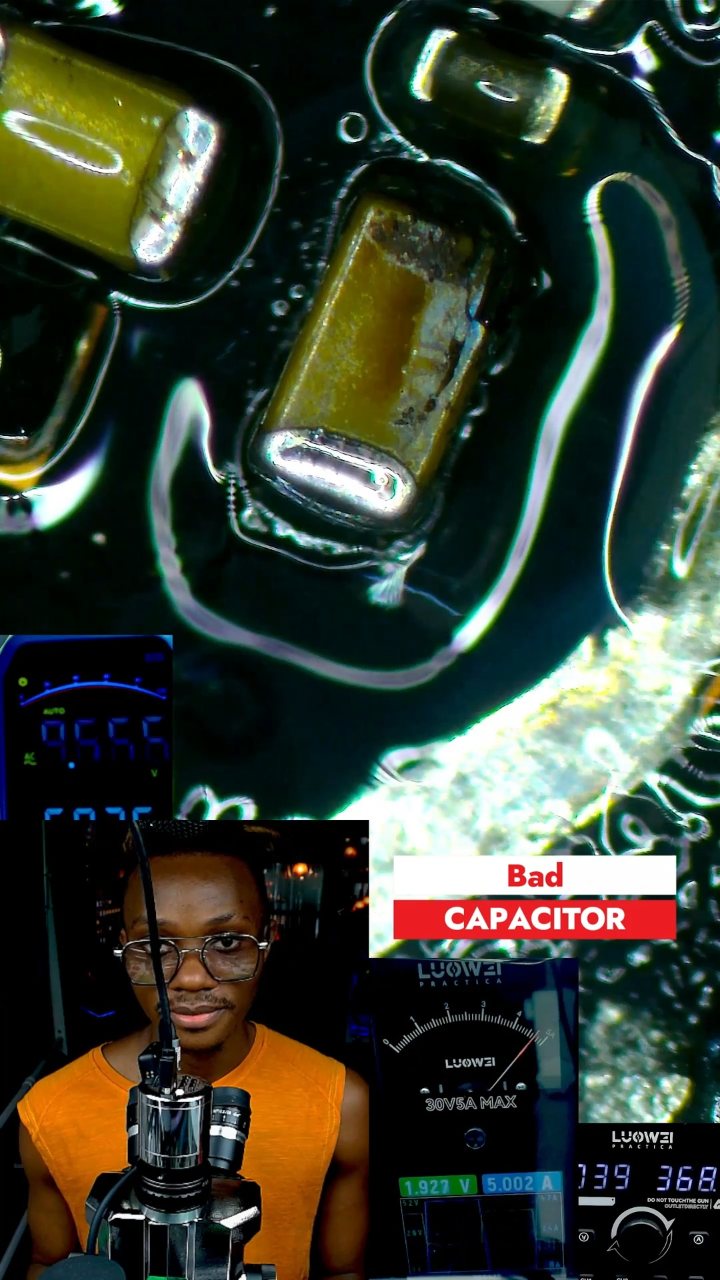
Board-level repair depends on knowing whether a component is good. Capacitors, coils, diodes, filters and power ICs can be checked with the multimeter diode, resistance and continuity modes, by comparing readings with a known-good board, or by spotting heat when voltage is injected.
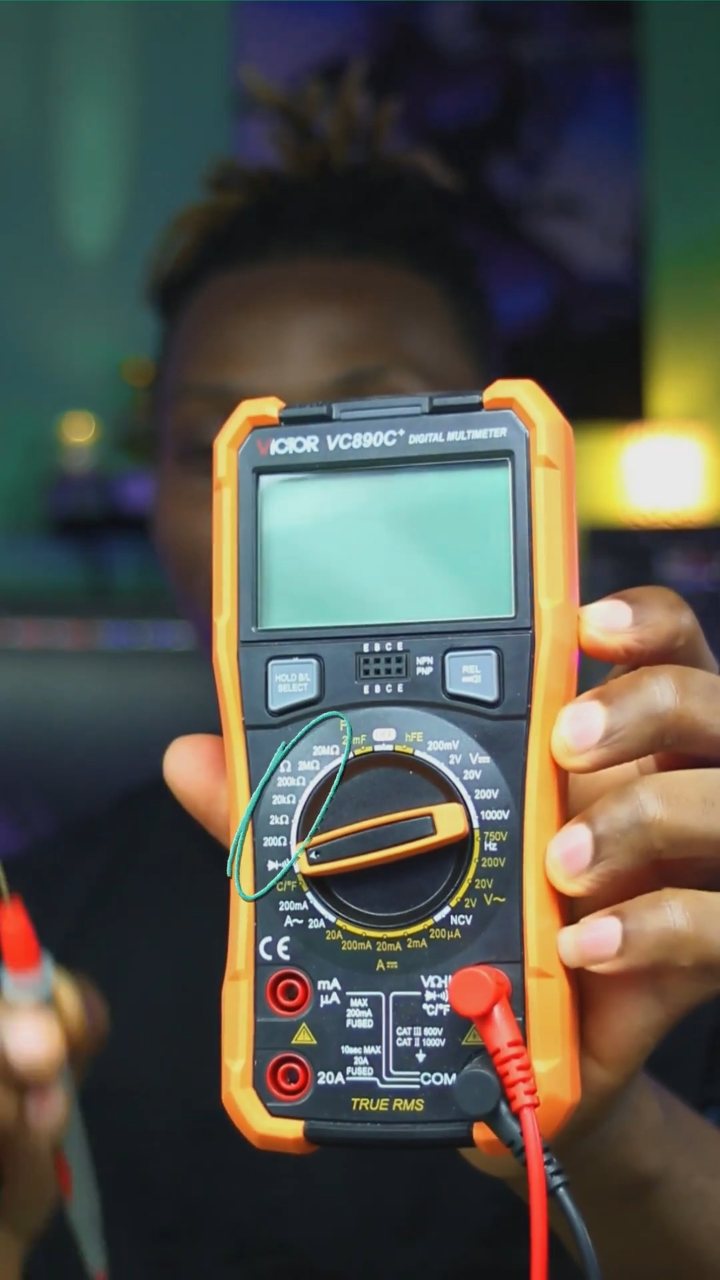
Learn the three multimeter modes used most in phone repair: diode mode for comparing lines against ground, resistance mode for finding shorts, and continuity mode for checking filters, coils and broken tracks.
Readings make the most sense when compared with the same point on a known-good board. A capacitor that reads short to ground, a filter with no continuity or a power IC that heats up when voltage is injected are clear signs of a faulty part.
1:59 · Testing phone board components
3:10 · Testing phone board components
0:27 · Micro-soldering for phone repair

1:33 · Micro-soldering for phone repair

6:44 · Water damaged phone repair

3:10 · Short circuit troubleshooting on phone boards
8:39 · Phone repair course basics and circuit theory

10:32 · Testing phone board components

10:46 · No display and backlight repair
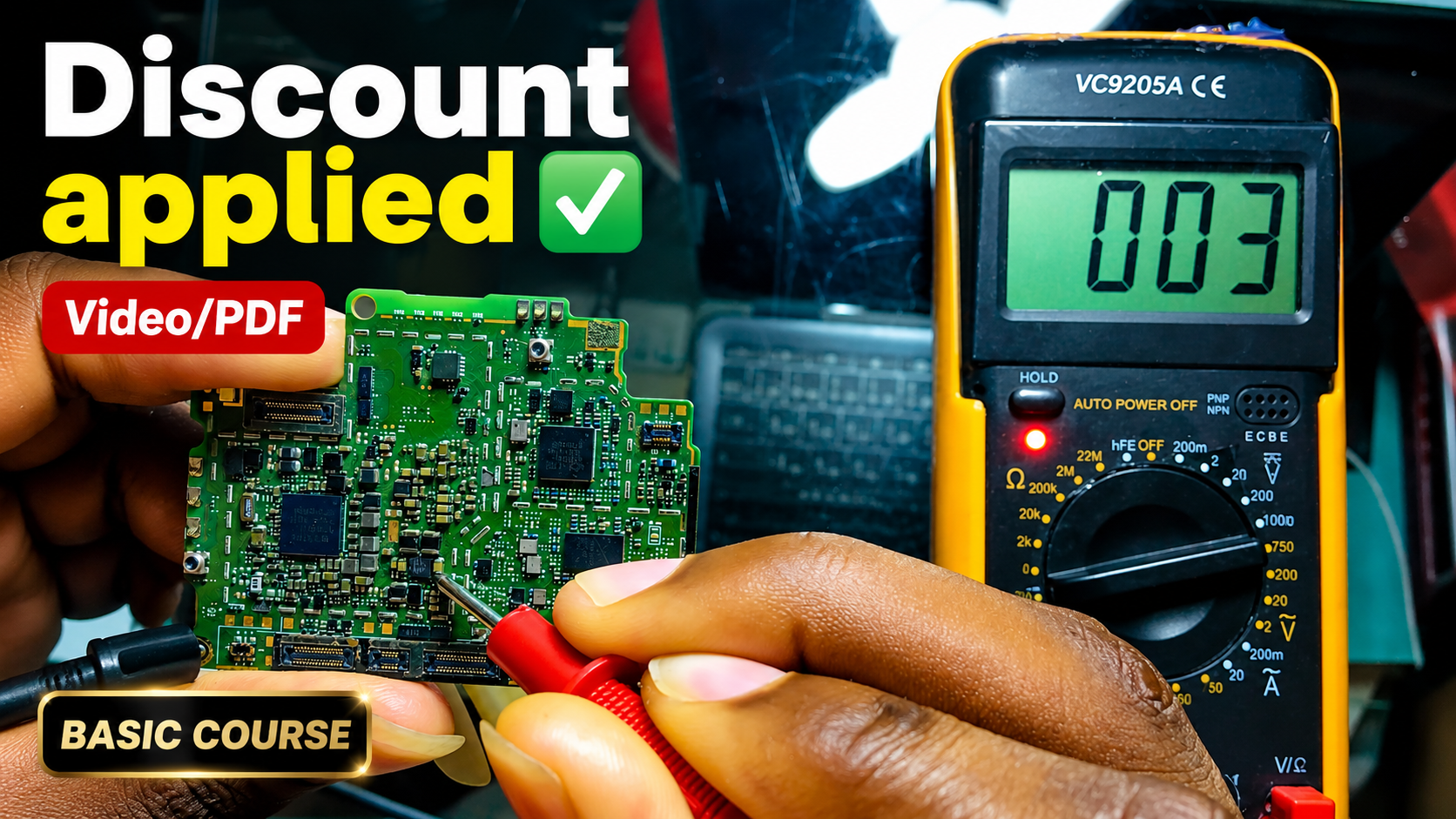
English repair videos with English and French PDF learning materials.

Advanced English video training for professional mobile repair work.
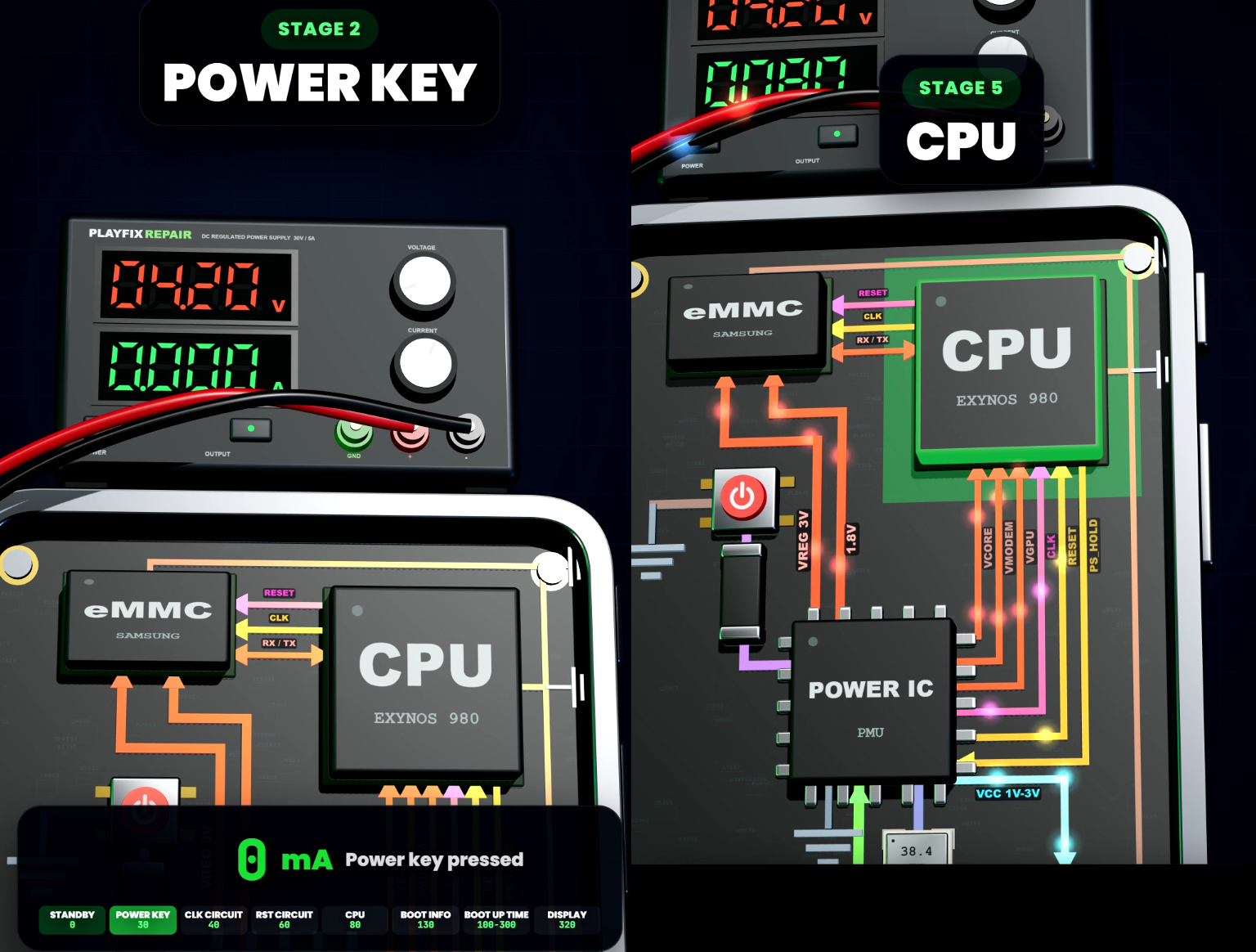
Learn how mobile-phone block diagrams connect ICs, power supplies, outputs and enable signals through clear 3D circuit animations.
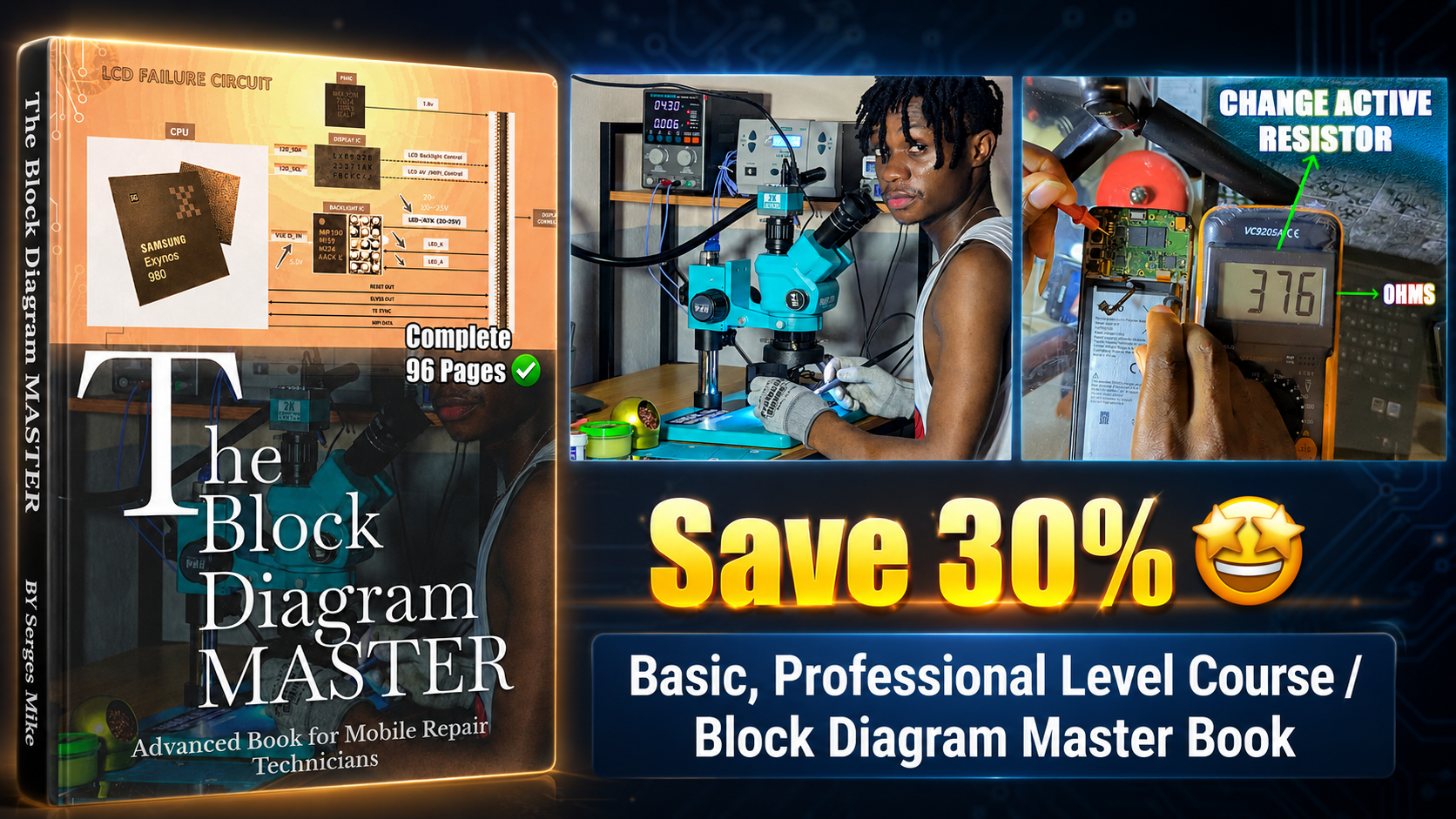
All PlayFix courses and the Block Diagram Master Book in one lifetime purchase.
Board-level repair depends on knowing whether a component is good. Capacitors, coils, diodes, filters and power ICs can be checked with the multimeter diode, resistance and continuity modes, by comparing readings with a known-good board, or by spotting heat when voltage is injected.
Use diode mode to compare line readings with a good board. Check capacitors for a short to ground. Test filters and coils for continuity. Look for heat while injecting voltage.